
Description
Most breakout indicators focus on a single question: Did price break the level? Flex TPO goes further by analyzing what happens after the break.
The indicator combines Initial Balance with TPO / Market Profile to evaluate post-break behavior.
Instead of treating Initial Balance as a once-per-day reference, Flex TPO defines it repeatedly through smaller market cycles as price continues to rebalance throughout the session.
How Flex TPO works
1. Segment the market
Flex TPO divides the market into time-based segments. Within each segment, the indicator first identifies the Initial Balance, the range where the market establishes early equilibrium.
2. Identify the value area
Inside this range, Flex TPO builds a mini TPO profile and identifies the POC (Point of Control) — the price where the market spent the most time. This level becomes the key reference for evaluating breakout quality.
3. Confirm the break
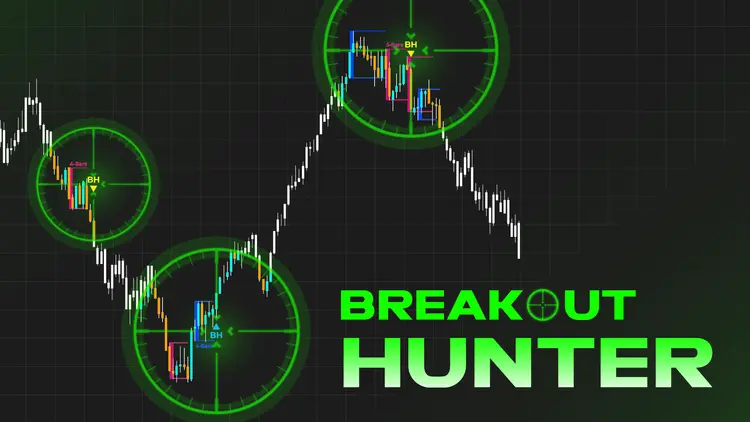
A Break signal appears when a candle closes outside the Initial Balance, indicating potential directional intent.
4. Wait for the retest
A Retest signal occurs when price returns to the POC after the break, providing a more structured entry with clearer risk control.
If you would like to see the full details of Flex TPO, you can find more information here.